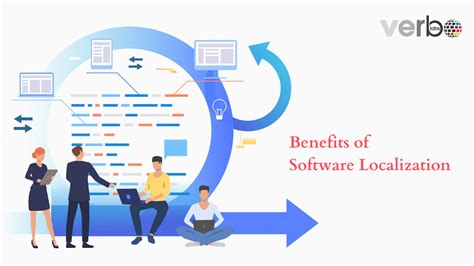
Software localization might sound like a fancy term, but it’s really just about making software feel right at home for users in different parts of the world. Imagine downloading an app that’s just in English when you speak Spanish or Chinese; it can be frustrating! Localization goes beyond just translations, ensuring that everything from buttons to cultural references fits like a glove in various languages and cultures. It’s all about creating a better user experience, no matter where you are.
What is Software Localization?
Software localization is the process of adapting software for specific regions or languages, transforming it from a generic version to one that resonates uniquely with different markets. It goes beyond simple translation of the text; localization shapes the entire user experience based on cultural norms, usability considerations, and even local regulations. Imagine a global application; the way it presents dates, currencies, and even colors can vary wildly based on local customs. For instance, if you launch an application in the U.S., you’d typically use the date format MM/DD/YYYY; however, in many European countries, it’s DD/MM/YYYY. All this intricate tailoring ensures users feel at home with the software, which is vital for user retention and satisfaction. A localized product creates a sense of trust and familiarity, making it more likely for users to engage with your service or application.
Why is Software Localization Important?
In today’s globalized world, the importance of software localization cannot be overstated. It’s about more than just expanding your market; localization is a strategic approach to optimize user engagement and satisfaction. Companies that invest in localization often see a higher return on investment as they tap into diverse markets. When software speaks the users’ language and aligns with their cultural context, it fosters a deeper connection—people are more likely to use a product that feels tailored for them. Furthermore, by localizing your software, you’re signaling to potential customers that you respect their culture and are willing to invest in creating a product just for them. This can significantly boost brand loyalty, elevate your reputation, and improve overall credibility in the market.
Key Elements of Software Localization
The core elements of software localization encompass not just language translation but cultural adaptation, legal considerations, and technological adjustments. Each element plays a pivotal role in ensuring the localized version of your software resonates with users. For instance, beyond translating text, you may need to adjust images that might convey different meanings across cultures or change user interface elements that require rework to fit localized text lengths. Additionally, understanding local laws, such as data protection regulations or software compliance standards, is essential, as failure to adhere can lead to significant issues. Pressing forward without addressing these elements can lead to misunderstanding and disengagement from your target audience, essentially undermining your localization efforts.
Challenges of Software Localization
Even though software localization is essential, it doesn’t come without its challenges. Balancing accuracy with cultural nuances can be tricky; phrases that work perfectly in one language might not translate well. Moreover, technical issues can arise, particularly when developing multilingual platforms. This can range from font compatibility to right-to-left text alignment. Time and resource limitations also add pressure, leading to potential corners being cut in a rush to meet deadlines. The process demands careful planning and coordination among various teams—development, marketing, and customer service—each with unique insights necessary for effective localization. Benchmarked against the potential for miscommunication or loss of brand richness, tackling these challenges head-on is vital in creating a seamless user experience.
Best Practices for Software Localization
Adopting best practices in software localization can streamline processes and enhance quality. Start with internationalization (i18n), which lays the groundwork for easier localization down the line. This means designing your software with localization in mind from the start, allowing for easy swapping of text and formats without disruptive code changes. Utilize professional localization services that understand your target markets rather than relying solely on automated translation tools, ensuring cultural sensitivity. Establish clear workflows and project management strategies that include timetables and roles, which enhance collaboration across departments. Feedback loops with localized user groups can also offer invaluable insights, making your localized software not just functional but genuinely appealing to new users.
Tools and Technologies for Software Localization
The right tools can drastically enhance your software localization efforts. Localization management platforms like Crowdin, Transifex, or Lokalise serve as centralized hubs where teams can collaborate on translation and review processes. These tools allow for easy tracking of translation progress and help to keep everything organized. Many of them also support integration with popular coding environments, meaning developers can update text and strings without hassle. To complement these platforms, employing automated translation tools bolstered by machine learning can speed up initial drafts, which human translators can refine. Additionally, tools like Glossary and Translation Memory are essential for maintaining consistency across translations, ensuring that your vocabulary stays aligned across languages and updates.
Measuring the Success of Localization
Determining the success of your software localization efforts involves more than just tracking downloads or initial usage. Key performance indicators (KPIs) such as user engagement metrics, customer feedback, and ultimately revenue growth post-localization should guide you. User retention rates can signal if localized software is genuinely resonating, while surveys and feedback mechanisms offer qualitative insights on user satisfaction. You can also leverage analytics tools to pinpoint regions where users drop off or express dissatisfaction, highlighting areas needing further localization effort. This data-driven approach allows for continuous improvement, ensuring that your localization strategy evolves alongside user expectations and market dynamics.
Future Trends in Software Localization
As the digital landscape continues to evolve, so too does software localization. Expect to see a growing emphasis on AI-driven localization solutions that promise to enhance efficiency. Machine learning technologies are becoming increasingly sophisticated, offering ways to predict user preferences and tailor localized experiences further. There’s also a noticeable shift toward inclusive localization, focusing on accessibility for users with disabilities, highlighting the need for adaptable content delivery. As remote working becomes norm, localization may expand beyond traditional definitions with a rise in virtual collaboration tools, enabling multinational teams to create and localize software more seamlessly. Keeping an eye on these trends will keep your localization efforts ahead of the curve.
Conclusion: The Path Forward in Software Localization
As we wrap up our exploration of software localization, it’s clear that investing in this process not only enhances user experiences but also opens the door to new markets and opportunities. By understanding the essential elements, embracing best practices, and utilizing the right tools, companies can navigate challenges and unlock their potential reach. Alongside monitoring success through defined KPIs and staying attuned to future trends, your approach to localization can significantly influence the impact and longevity of your software in a diverse world.
Understanding Software Localization: Key Aspects
The Importance of Software Localization
Software localization is not just about translating text from one language to another. It’s a comprehensive process that ensures that software products resonate with local users, both culturally and linguistically. This is vital because an application that works perfectly in one region might confuse or alienate users in another due to cultural nuances, local preferences, or specific jargon. Localization involves adapting software interfaces, user manuals, marketing materials, and more to meet the linguistic and cultural needs of different regions. By taking these steps, companies can enhance user experience, drive customer loyalty, and ultimately boost their bottom line.
Challenges in Software Localization
While software localization offers significant advantages, it also presents several challenges. One of the main difficulties is ensuring consistency across languages. Large applications often have a vast array of text elements and different translators might interpret the same term differently. Maintaining a consistent voice and style across various translations can be a daunting task. Additionally, technical challenges can arise, particularly when it comes to software that utilizes dynamic text or changes based on user inputs. Developers must ensure that the localized software maintains functionality while accommodating different script directions, character limits, and cultural differences.
Software Localization Process
The software localization process typically includes several stages: analysis, preparation, translation, testing, and maintenance. Initially, a localization team will assess the software to identify what needs localization. In the preparation phase, tools and resources are set up, including glossaries and style guides to ensure consistency in translations. During the translation stage, linguists translate the software strings. This is followed by rigorous testing, which might involve native speakers who can identify not only translation errors but also potential cultural missteps. Lastly, maintenance involves updating the localized software as needed while ensuring ongoing quality in all regions.
Choosing the Right Localization Tools
With the increasing demand for high-quality localization, it’s crucial to choose the right localization tools. These tools provide essential features such as translation memory, terminology management, and collaboration capabilities. Popular localization tools include SDL Trados, memoQ, and Smartling. Each tool has its strengths, and companies must evaluate which platform best fits their workflow, budget, and specific requirements for their software projects. Efficiency and effectiveness are key, and the right tool can drastically reduce the time and costs associated with software localization.
Frequently Asked Questions (FAQ)
| Question | Answer |
|---|---|
| What is software localization? | Software localization is the process of adapting software to meet the language, cultural, and technical requirements of a specific target market. |
| Why is localization important? | Localization helps businesses better connect with customers by providing them with content that feels natural and relevant in their local context. |
| What challenges does software localization face? | Challenges include ensuring translation consistency, managing cultural differences, and maintaining software functionality across languages. |
| What is translation memory? | Translation memory is a database that contains previously translated segments to maintain consistency and speed up the translation process. |
| How do I choose a localization tool? | Evaluate tools based on features, ease of use, integration capabilities, and cost to find the best fit for your needs. |
| Is localization only about translation? | No, localization includes cultural adaptation, design modifications, and ensuring that the software works well with local practices and technologies. |
| How long does the localization process take? | The timeframe varies based on the software’s complexity, the number of languages involved, and the resources available, ranging from weeks to several months. |
| Do I need to localize my software for every market? | It’s best to localize based on market potential and specific target demographics. Not every market requires localization if it’s niche or low impact. |
| What types of software can be localized? | Almost any software, including applications, websites, and games, can be localized to enhance accessibility for different users around the world. |
| Can I use automated translation tools for localization? | While automated tools can help, human translators are often needed to ensure high-quality, culturally relevant outputs. |
| What is cultural adaptation? | Cultural adaptation modifies content so that it aligns with local customs, traditions, and preferences, beyond just translating the text. |
| Who is responsible for software localization? | Localization can be managed by in-house teams, outsourced localization service providers, or a combination of both. |
| Is ongoing localization necessary? | Yes, as software evolves, regular updates and maintenance of localized versions are crucial to keep the product relevant and functional. |
| What skills are needed for localization? | Localization requires linguistic skills, cultural knowledge, and sometimes technical skills related to software development. |
| How can localization affect my business positively? | Effective localization can lead to greater customer satisfaction, increased sales, and a stronger brand reputation in diverse markets. |
| What are examples of localization success stories? | Companies like Airbnb and Netflix have successfully localized their platforms, leading to significant growth in non-English speaking markets. |
Wrapping It Up
So, there you have it! We’ve journeyed through the world of software localization, uncovering its importance and the ways it can enhance user experience globally. Thanks a bunch for taking the time to read through this piece! We hope you found it insightful and maybe even a little fun. Be sure to swing by again for more interesting topics. Until next time, happy coding and exploring different cultures!